
Most reels are lost before their first sentence ends. A stranger gives you about three seconds, usually with the sound off, and decides.
We study short reels that worked, from explainers to brand films, frame by frame: the first three seconds at eight frames a second, then every cut, word and sound after. This is what nearly all of them share, so you can use it on your next draft today.
Second by second.
The strongest openings hit the same four marks.
0 s
Frame 0 is already moving.
No fade from black, no logo, no title card. Something the viewer knows at a glance fills about 40% of the frame and moves from the first frame: a speaker mid-gesture, a coin already giving way to the next.
0.5 s
The first word is the subject.
Said inside half a second, never filler. It names the thing or the viewer: a company, a number, “your”. “Hey guys, so today” spends the only second you had.
1.2–1.6 s
The claim lands, word by word.
Its key words build on screen as the voice says them. Never on frame 0, never the whole sentence: five words or fewer, big enough to read as a thumbnail.
by 3 s
Something happens.
The thing on screen changes in a way the eye can’t ignore: it breaks, builds itself, or a number locks. The reels we studied packed 4 to 15 visual changes into these three seconds.
One test covers all four: pause at 3 seconds with the sound off. If a stranger can’t say what the reel is about, the hook isn’t done.
Five ways in.
What each opening puts first. Use the one your story already holds; never force one onto it.
A belief, overturned
Start from something the viewer is sure of, then prove it wrong on screen before you explain. One reel told creators their favourite fonts were ones they already owned, and pinned up five real reels in the same face within a second and a half.
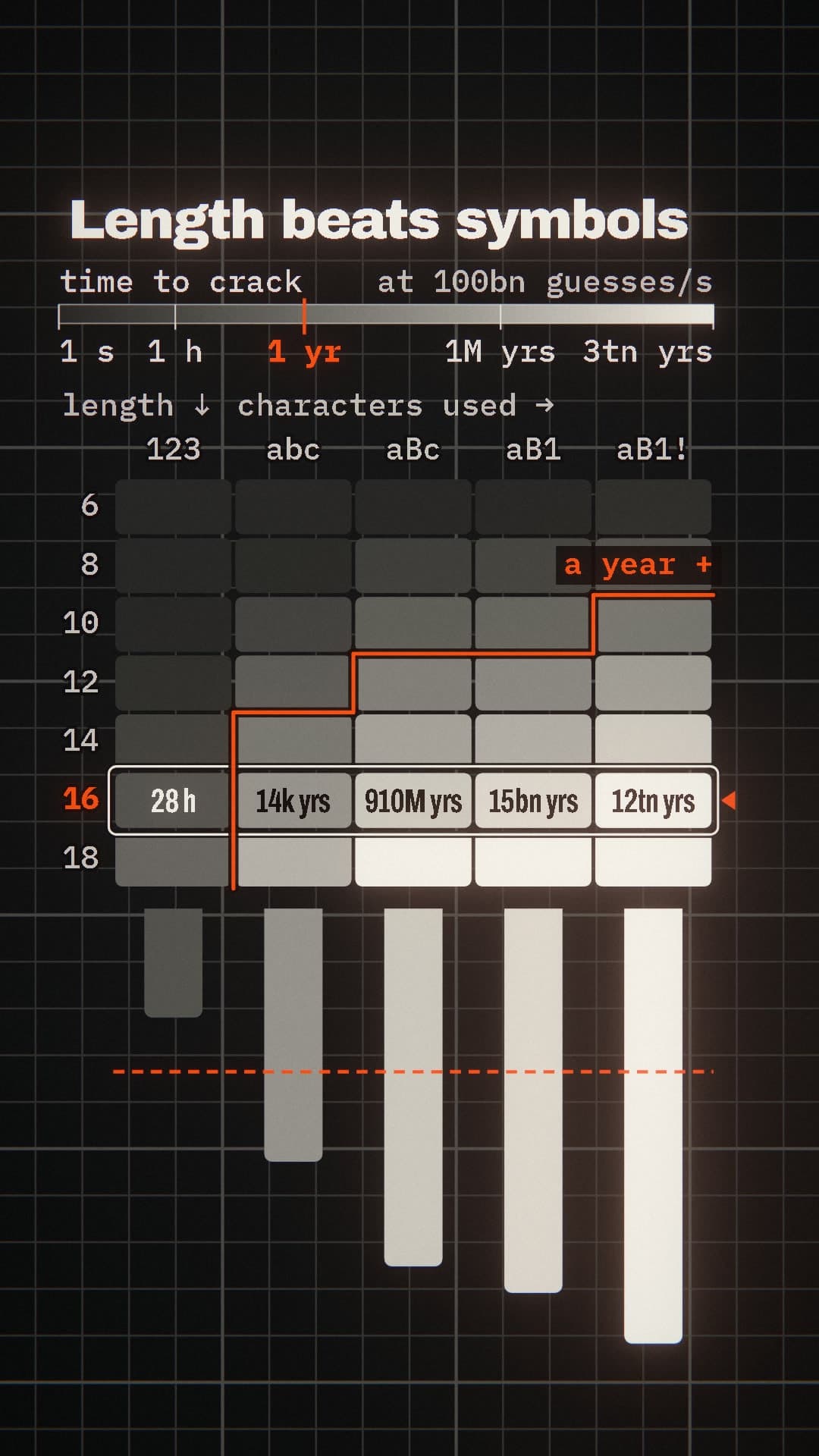
A number you can count
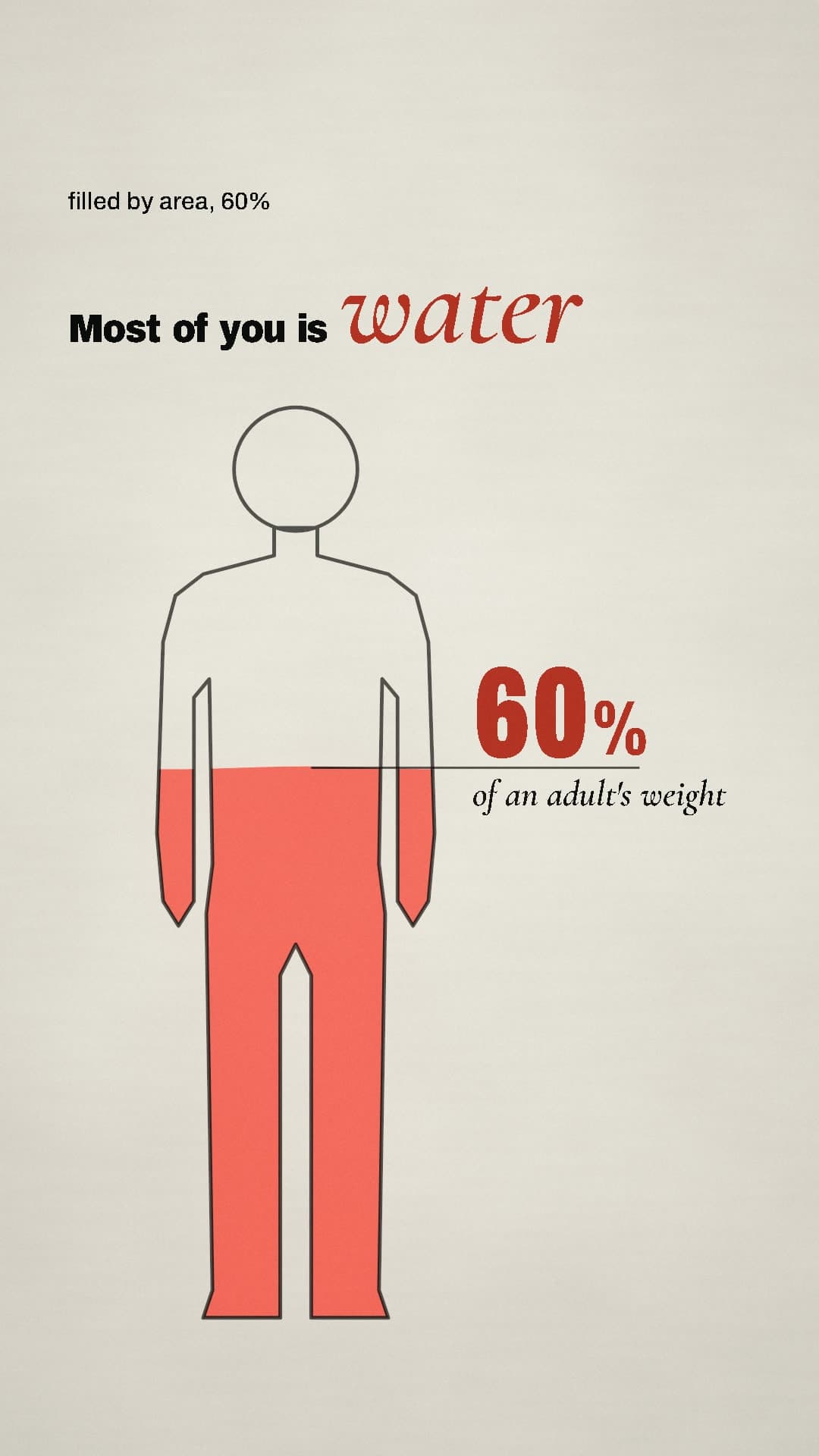
Big numbers slide off. Make the number into things, and let it move: a counter climbing while rockets lift off in step, a body filling to its share of water.
A detail everyone has seen
Open on something ordinary nobody has explained, then let the next words make it a mystery. One reel opened on a race table of water cups where only the cups on the edge got taken.
Same start, two endings
Show two things that look identical, then split them. Two businesses, the same 80,000 views ticking up side by side; one ends booked out.
It breaks on screen
Say the verdict, then act it out. A reel that called editing dead struck each familiar tool off a timeline as it named it, and pulled the clips out.
Then keep them.
A hook buys three seconds. Everything after has to earn the next three, every time.
But or therefore, never and then.
Each beat should turn the one before (but) or follow from it (therefore). A beat that only adds gives the viewer nothing to wait for: merge it or cut it.
Flat
- Snow is frozen water.
- And then it falls on roofs.
- And then the house stays warm.
Turning
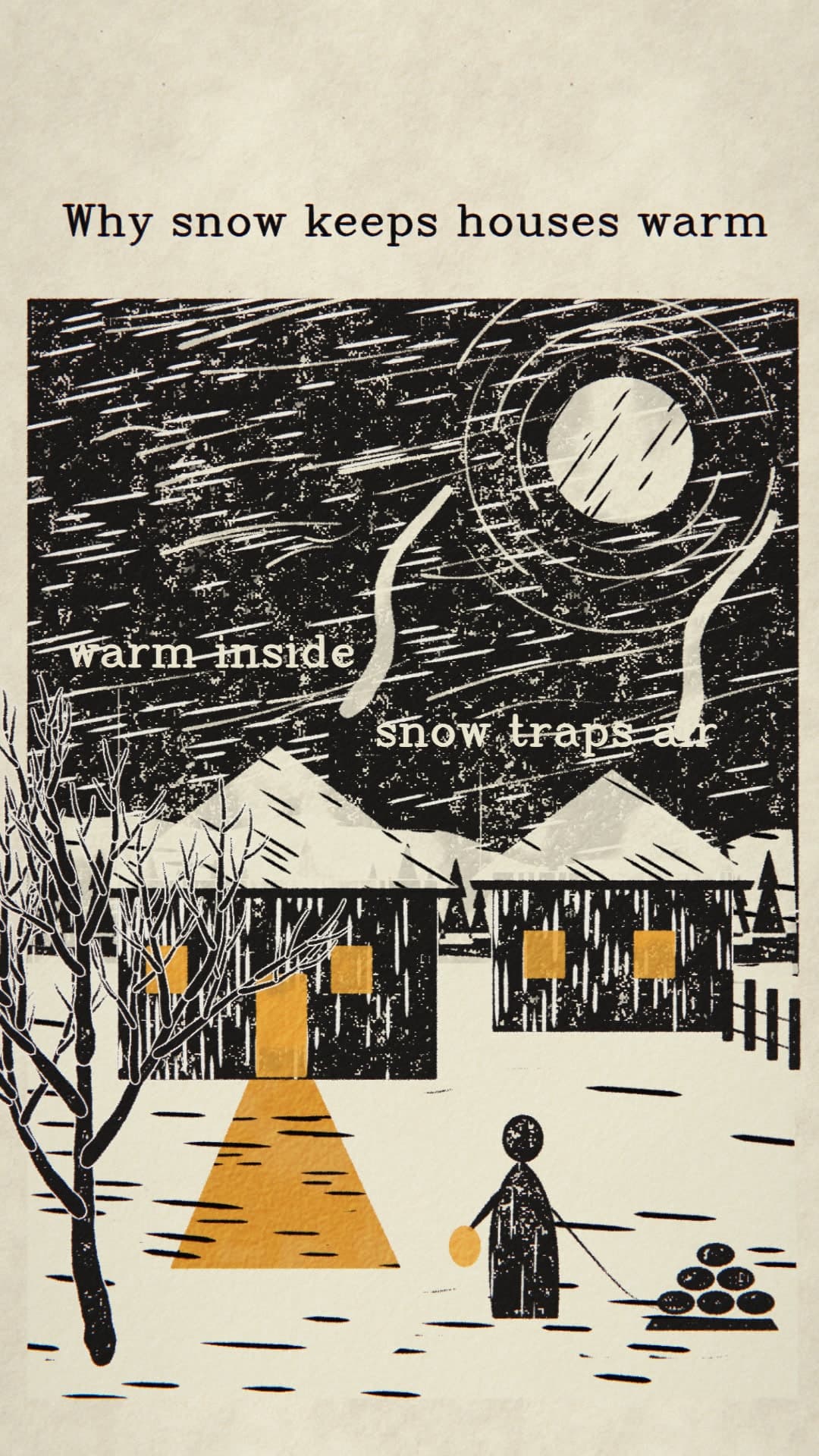
- Snow is ice. It should chill a house.
- But fresh snow is mostly trapped air.
- Therefore a roof under it loses heat slower, like under a blanket.
A new question every five seconds.
Attention dips about every five seconds. Before it does, turn the story or raise a second question, in the story’s own nouns, that only the payoff answers.
Fast first, room at the end.
Rush the early points and give the last ones room, so the reel gains speed toward the payoff. A reel is rarely too long, only too slow. The energy of the reels we studied ran like this:
- 1An early peak, 10–25% inThe first real reveal, not just the hook.
- 2A quieter stretch near 65%One to two and a half seconds of smaller moves. Never a gap.
- 3The biggest peak near 82%The payoff. Then a short release and out.
Keep the promise, end on them.
If the hook promised three ways, count all three on screen. Close on the hook’s own picture or words, and on what changes for the viewer.
One reel about a giant investment firm ended by showing that the viewer’s own index fund feeds it. The story became theirs in one line.
The three‑second test.
Run it on your next draft before it goes out. Save this page and keep it beside your editor.
- 1Pause on frame 0 with the sound off. Is it something a stranger recognises, and is it already moving?
- 2Is the first word the subject, a number or “you”?
- 3By 3 seconds, has the claim landed on screen in five words or fewer?
- 4Shrink the 3-second frame to thumbnail size. Can you still read it?
- 5Count the changes in the first 3 seconds: a new picture, a word landing, a push in. Under four reads as a still.
- 6Watch the rest three seconds at a time. Does every window give a new reason to stay? Cut or turn the ones that don’t.

We run this test on every reel.
Content Factory writes each hook against these marks, films it, and has three judges score the reel before it can post. The guide explains how it finds, writes, films and judges a reel, start to finish.
One payment, tax included. Or just see what it makes.